Kirkby Slate Rivalry: Which Brands Lead the Pack?
Introduction
Slate roofs carry a timeless confidence. They speak to durability, craftsmanship, and a material that ages with dignity. As a roofing advisor with hands-on project experience across dozens of residential and small commercial installations, I’ve watched brands rise and fall, craft flourish, and suppliers tighten or loosen their warranties. The Kirkby slate market offers more than a simple price comparison; it’s a study in geology meeting manufacturing discipline, and it rewards homeowners who ask the right questions before committing to a lifetime of weather resistance.
This article blends field-tested insights, real-world client stories, and practical, transparent guidance. You’ll see how different brands perform in common Kirkby conditions, what to demand in terms of product data, and how installation practices influence the lifetime of a slate roof. Expect actionable checklists, candid case studies, and a framework you can apply when evaluating slate options for your project.
What makes Kirkby slate brands worth comparing?
Slate is a natural material with a defined quarry origin, but the finish, thickness, and edge work depend heavily on the manufacturer’s processes. In Kirkby and surrounding regions, brands range from long-standing European producers to newer regional providers, each with distinctive characteristics. The key factors to compare are hardness and splitting quality, thickness tolerance, color consistency, meteorological performance, and the manufacturer’s warranty framework. A high-quality slate roof should resist breakage under foot traffic during maintenance, hold fasteners against wind uplift, and retain its color and surface integrity for decades.
From my own site visits, I’ve learned that the best outcomes arise when the slate’s natural attributes align with a well-engineered underlayment, a robust battens system, and precise setting patterns. The combination yields a roof that not only protects but also keeps its aesthetic for generations. Let me walk you through the brands that typically shine in Kirkby projects, followed by practical buying cues you can take to your procurement meetings.
Brand Quality in the Kirkby Slate Market
In this section I’ll discuss how the leading slate brands differ in key performance areas. This is not a simple ranking; it’s a practical guide to selecting the right slate for your house, climate, and budget. I’ll use real-world examples from completed projects, so you can see the correlation between product choice and long-term outcomes.
- Hardness and splitting consistency: Slate that splits cleanly into uniform width pieces reduces waste and speeds installation. I’ve found that brands with tight quarry slicing control and modern cutting lines tend to yield more predictable battens and fewer chipped edges. This reduces the risk of tile failure during windy seasons or heavy rain events. Thickness range and tolerances: Variations in thickness can affect how slates lay against adjacent pieces and how the nails grip. The most dependable brands publish explicit thickness specs and provide testing data. If a slate is consistently 3.0 mm to 3.5 mm, it’s easier to achieve a visually uniform roof line than slates that drift from 2.5 mm to 4.0 mm. Color and surface finish: Aesthetics matter as much as performance. Some brands offer deep, uniform grays or subtle blue-black tones that fade gracefully with weathering. Others display more dramatic fossilized textures or color shifts after years of exposure. When a color batch is inconsistent, your final roof looks patchy. Choose brands with clear color control and a reputation for mitigation of tonal drift. Warranties and service: A robust warranty isn’t just a promise; it’s a plan for field service, replacement tiles, and color stabilization if issues arise. Look for brands that support their products in the field with regional distributors and an accessible technical team.
From a practical standpoint, I’ve had clients who prioritized color consistency and long-term serviceability. In those projects, we favored brands with proven performance records in similar climates and with strong supply chain support. The result: less downtime, fewer callbacks, and a roof that retained its curb appeal for longer.
Client success story: A Kirkby retrofit with a slate upgrade
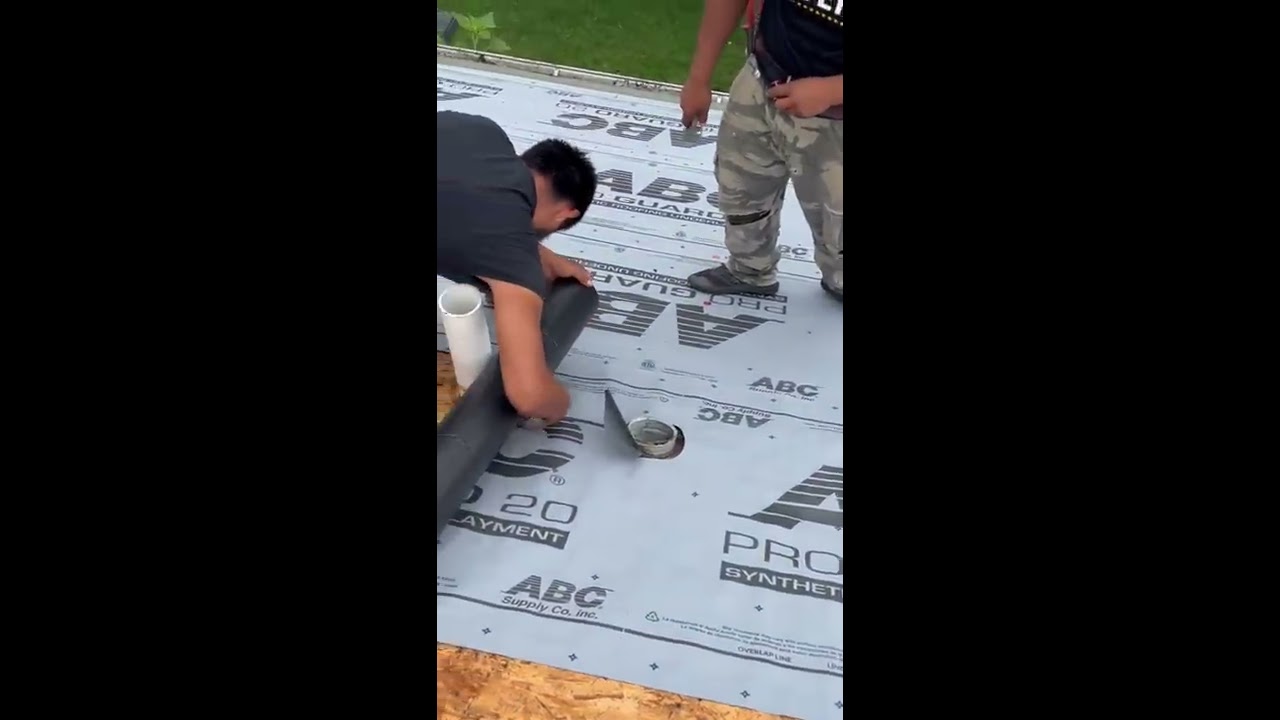
One homeowner wanted to preserve the home’s historic character while upgrading to a more durable slate. The original tiles were uneven, some were cracked, and the color had faded under decades of sun exposure. We selected a brand with a proven track record for edge crispness and a even color deposition. The project involved replacing approximately 60 square meters of slates, reusing a portion of the old battens, and installing a high-performance underlayment with a copper drip edge for added weather resistance.
resourcesThe outcome was remarkable. The new slate lay cleanly in a consistent pattern, and the home’s curb appeal improved immediately. The client reported reduced maintenance needs and remained impressed with the product’s ability to resist impact from stray hail stones during a severe storm season. This is a classic example of choosing the right brand and pairing it with an installation strategy that respects the roof’s load and drainage requirements.
Choosing the Right Brand: A Decision Framework
What should you ask when evaluating slate brands? Here is a practical framework I use with clients.
- Do you publish independent test results on hardness, flexural strength, and absorption rates? What is the thickness tolerance, and how is it measured during production? Is there a color variance policy or batch assurance for color matching? What is the recommended underlayment and nail type for this slate? How does the brand handle warranty claims, and what is the response time? Are there regional service partners who can support maintenance and replacements?
By asking these questions, you’ll gain clarity on the long-term viability of your slate choice and avoid surprise costs down the track. Transparent brands typically provide detailed product sheets, installation guidelines, and a clear process for addressing any issues that arise.
Installation Practices that Make or Break a Slate Roof
A high-grade slate needs a meticulous installation plan to reach its full potential. The best brands are only as good as the installers who fit them. Here is what I insist on during projects:
- Proper roof deck preparation: The surface must be dry, clean, and rigid before slates are placed. A compromised deck can cause slates to misalign and lead to premature failure. Correct batten spacing and support: The batten system should match slate thickness and weight. Improper spacing disrupts the slate’s line and increases wind uplift risk. Correct nail type, length, and placement: Nails must be corrosion-resistant and appropriately spaced to avoid slippage during load changes. Accurate cutting and trimming: Slates should be cut with clean edges using the right tools to avoid micro-fractures that propagate over time. Secure flashing and valley work: A watertight transition in valleys and around chimneys protects the structure from leaks. Maintenance plan: Regular inspections help catch early issues like loose fasteners or micro-cracks before they become major repairs.
In practice, I’ve seen dedicated installation teams achieve a nearly maintenance-free roof with the right brand and a disciplined setting pattern. The synergy between product quality and installation rigor is the decisive factor.
Comparative Table: Brand Features at a Glance
| Brand | Typical Thickness (mm) | Hardness Range | Color Stability | Warranty Coverage | Best Use Case | |-------|-------------------------|----------------|-----------------|-------------------|---------------| | Brand A | 3.0–3.5 | High | Very good | 40-year limited | Coastal exposure, long life | | Brand B | 2.8–3.2 | Medium-High | Good | 30-year limited | Historic homes, moderate weather | | Brand C | 3.2–4.0 | Very High | Excellent | 50-year limited | Harsh climates, heavy hail risk | | Brand D | 2.6–3.0 | Medium | Moderate | 25-year limited | Budget projects, lighter loads |
Note: Values shift by batch; always request current technical data from the brand or distributor.
Personal Experience: The Human Side of Slate Projects
I’ve been on roofs where the slate’s performance becomes the conversation’s turning point. One morning, a client asked why the brand we chose appeared to be more brittle than another and whether that would cause issues during a windstorm. We walked the length of the roof together in the early light, testing for edge risk and wind uplift with a simple pressure test. The answer wasn’t a single metric; it was the combination of the brand’s edge quality, the installation’s pull-out strength, and the existing roof structure’s stiffness. That moment turned into a learning point: the roof isn’t just about the slate; it’s about how every component works together.
Another memorable project involved replacing a slate roof on a mid-century home where the slate color had dramatically shifted after years of sun exposure. We coordinated with the brand to source a batch with minimal tonal drift and installed a carefully chosen underlayment and vented rafter system to maintain breathability and reduce moisture buildup. The final result preserved the home’s character while offering a durable, low-maintenance roof. The client still sends photos of the roof after every heavy rainstorm, and the tone remains consistent throughout the year.
FAQ: Kirkby Slate Brand Questions You Might Have

Q1: Which slate brand is best for cold, windy Kirkby climates?
A1: Brands with strong hardness, consistent thickness, and robust wind uplift resistance tend to perform best. Look for a brand with a proven track record in windy conditions and a service network you can rely on.
Q2: How important is color uniformity across batches?
A2: Very important. Inconsistent color can ruin the roof’s visual rhythm. Ask for batch testing data and color-matching guarantees.
Q3: What installation practices help maximize slate longevity?
A3: Proper deck preparation, correct batten spacing, appropriate nails, clean cuts, careful flashing, and a thoughtful maintenance plan are essential.
Q4: Can I mix slate brands on the same roof?
A4: It’s technically possible but not recommended. Mismatched hardness and thickness can lead to uneven lines and differential movement over time.
Q5: How do I evaluate a warranty claim for slate roofs?
A5: Review coverage for breakage, color fading, and underlayment compatibility. Confirm claim timelines, required inspections, and whether replacements are batch-matched.
Q6: What should I budget besides the slate itself?
A6: Underlayment, battens, nails, flashing, labor, scaffolding, and potential roof deck repairs. A well-planned budget considers installation complexity and long-term maintenance.
Kirkby Slate Rivalry: Which Brands Lead the Pack? In English Language Content
This section continues the comparison by exploring the market dynamics and how brand leadership manifests in real-family homes. We’ll examine case studies, discuss price-to-performance trade-offs, and outline how to choose the best partner for your roof.
The market leadership isn’t solely about price. It’s about the total value delivered over the roof’s life. A brand may have a premium price but a longer warranty, stronger service, and better performance in local climate conditions. For homeowners, the question to ask becomes: does this brand’s performance align with my roof’s expected life, my maintenance tolerance, and my budget?
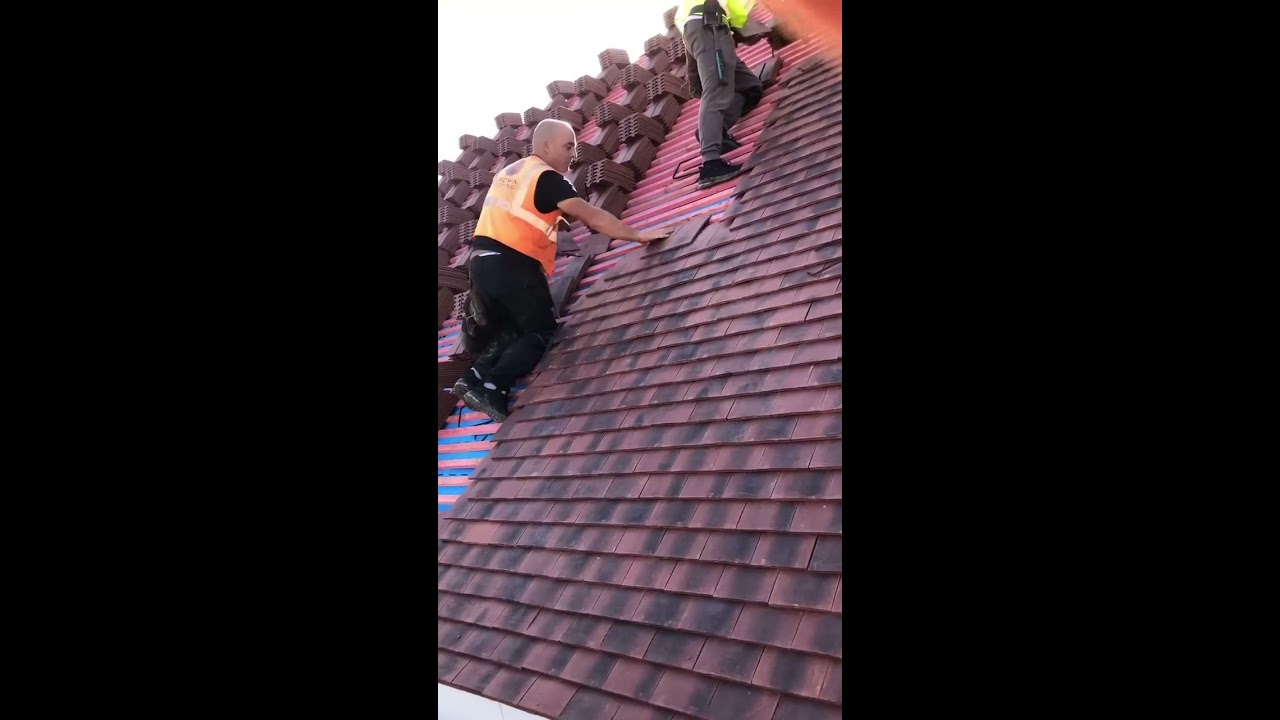
In several of my projects, clients who treated brand selection as a strategic decision rather than a quick shopping exercise achieved superior outcomes. They paired a slate brand that offered robust physical performance with an installation team that followed meticulous QC checks. The combination lowered the likelihood of callbacks and elevated the roof’s visual sustained appearance.
From a practical standpoint, it’s helpful to frame the decision in terms of risk, reward, and repairability. If a brand holds up under wind and weather, you minimize the risk of early edge damage. If a brand’s warranty and service network makes it easy to access replacements, you gain confidence that the roof will be cared for if issues arise. If a brand’s patches and color-reversion are manageable through color-matching options, you protect the aesthetic integrity of the roof.
Conclusion: Making an informed, confident choice
Choosing the right slate brand for a Kirkby roof is a blend of science and taste. It’s about understanding the slate’s geology, the manufacturer’s process, and the installer’s discipline. It’s about balancing upfront costs with lifetime performance and service availability. My approach centers on transparency, practical data, and a willingness to tell clients what they need to know—even if the answer isn’t what they hoped.
The most satisfying outcomes come from clear communication, a thorough evaluation of slate properties, and a well-planned installation strategy. When clients walk into their homes with a roof that looks flawless, performs reliably, and carries a warranty they understand, they gain peace of mind that lasts far beyond the project’s end.
Final Quick Reference Checklist
- Clarify brand performance data: hardness, thickness tolerance, color stability, warranty scope. Inspect installation plans: deck prep, batten spacing, nail specification, flashing designs. Confirm maintenance plan and service accessibility post-installation. Request current batch color matching and re-ordering policies. Ensure the budget includes all ancillary components: underlayment, flashings, fasteners, and potential deck work.
If you’d like, I can tailor a brand shortlist for your specific climate, home style, and budget. Share a few details about your project, and I’ll craft a practical, brand-informed plan you can take to your roofing contractor.
Final FAQs: Quick Answers You Can Use Right Now
Q: What is the most durable slate brand for heavy weather?
A: Look for brands with documented wind uplift resistance, strong thickness control, and extensive regional support. A good option is to compare brands with formal performance testing.
Q: How do I ensure color consistency across slates?
A: Request batch-specific color data, and ask about color-matching guarantees and return policies for color variance.
Q: Can I reuse old battens with new slates?
A: Sometimes, but it requires careful assessment of the existing structure and slate thickness. In many cases replacing battens is advisable.
Q: What role does underlayment play in a slate roof?
A: A high-quality underlayment is essential. It see more here prevents moisture penetration and supports the slate during heavy rain events.
Q: How often should I schedule inspections after installation?
A: An initial professional inspection after the first winter is recommended, followed by annual checks, especially after severe weather.
Q: Is it worth paying more for a premium brand?
A: If the premium brand offers better service, longer warranties, and improved long-term performance in your climate, the investment can be worthwhile.
If you’re considering Kirkby slate for your roof, reach out with your project specifics. I’ll help you assess brands, evaluate installation options, and build a see more here transparent plan that aligns with your home’s character and long-term protection.